Est. 1987 · Hohenwald, Tennessee
Lake and pond management and construction for trophy fish.
Walt Foreman is a fisheries biologist and a licensed general contractor with a heavy excavation endorsement. We manage private lakes and ponds, stock them from our own fish farm, and build new ones across Tennessee, Alabama, Georgia, Mississippi, Kentucky and eastern Arkansas.
1Where we start
Manage the water you have, or build new water
Most lakes are limited by how they are managed and by who built them. These are the three jobs we are hired for most, starting with lake management, and they work best as one plan.
Lake management
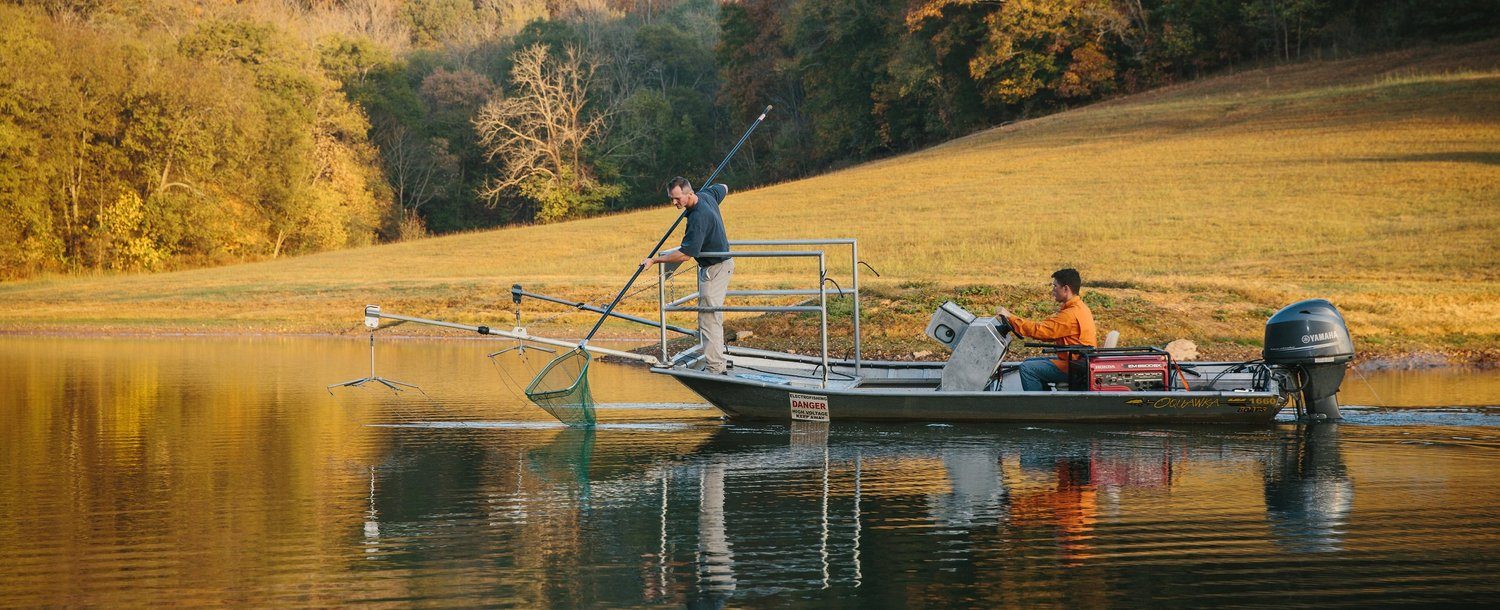
Electrofishing surveys, stocking from our farm, weed control that targets the cause, liming from a custom aluminum barge, and dredging with our own excavators.
Manage a lake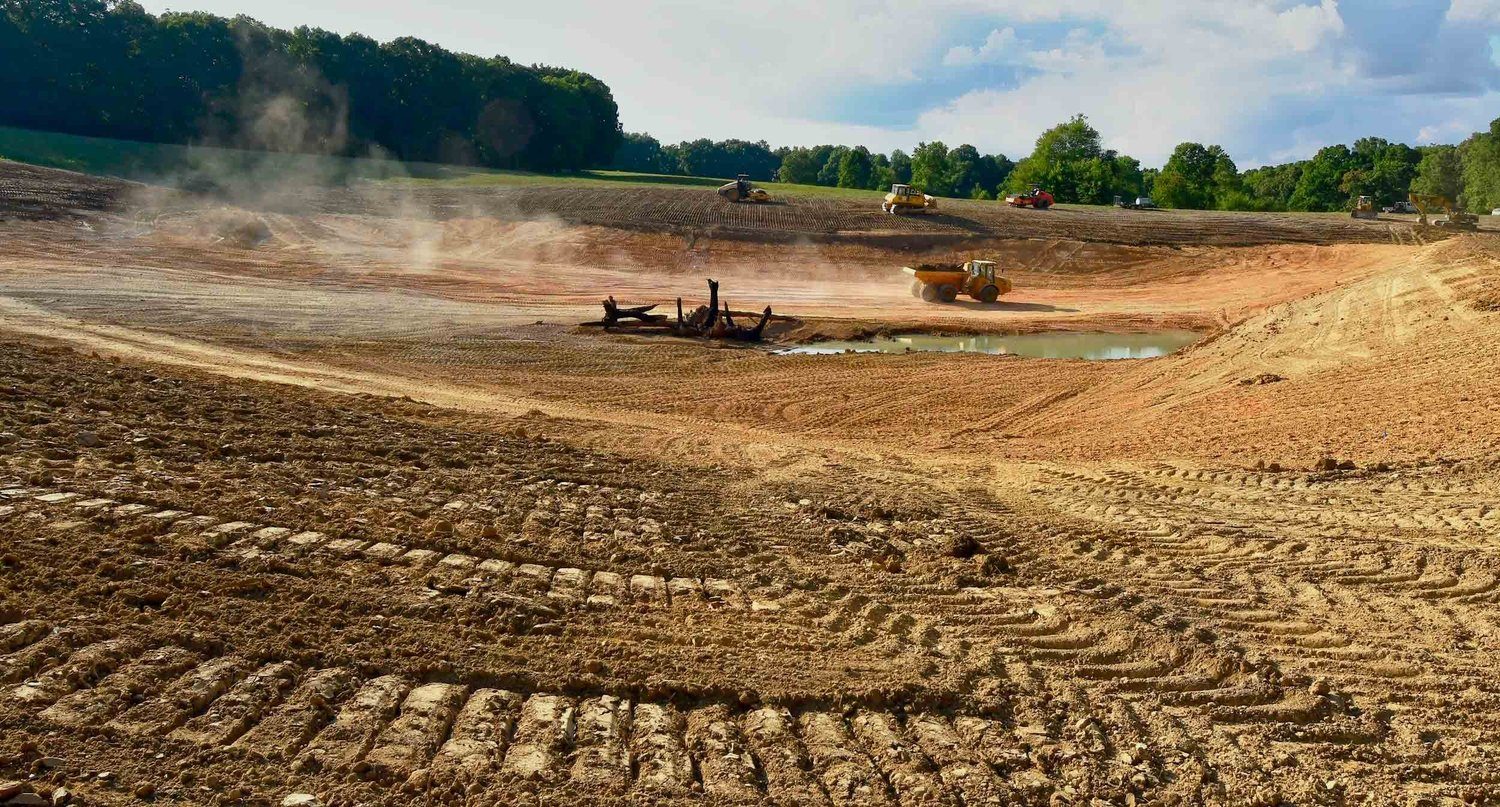
Lake construction
Private lakes from ten to a hundred acres and more, designed around the fish you want to catch: depth and bottom contours, structure, and a dam and water control that hold.
Plan a lake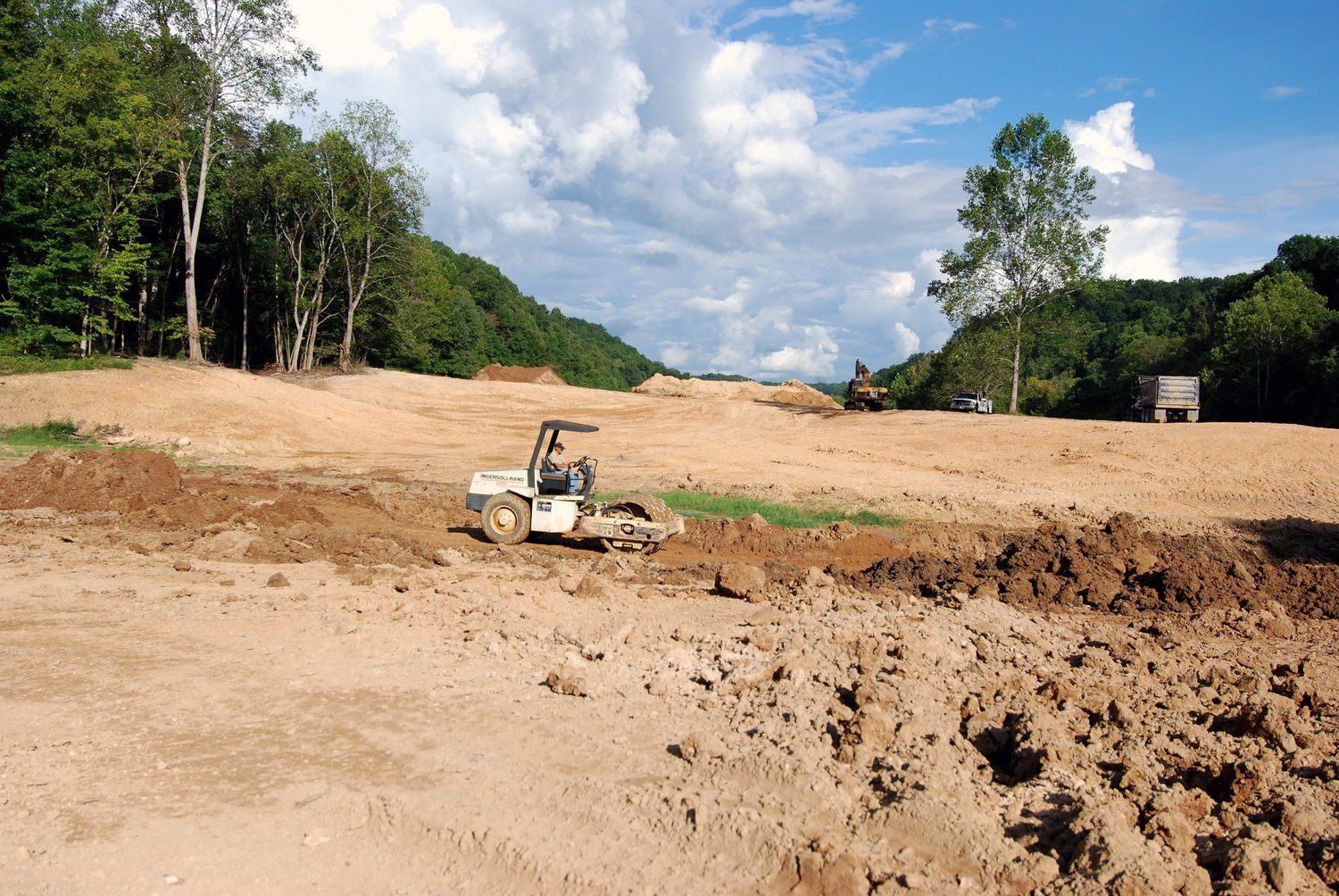
Pond construction
Every step that keeps water in, including the ones most excavators do not know, so a new pond holds water and grows fish instead of leaking six months later.
Build a pond2Fish and dirt
Why one company should build and stock your lake
It starts and ends with the fish.From our lake construction notes
A fifty-acre lake can be limited by poor construction just as surely as a one-acre pond. The biggest defect we see in lakes dug without fish knowledge is poor design from a fishery standpoint, and every management action after that has to fight it.
We have seen dams built for a twenty-acre lake that hold a five-acre pond, the waterline thirty feet below the top of the dam. That is why one company here does both jobs: the contractor's license with a heavy excavation endorsement, the operators and machines, and the master's in fisheries science from the University of Florida.
3Before the first dozer moves
A lake drawn for the fish it will hold
A trophy bass lake and a trophy bluegill lake are not the same lake. Walt Foreman knows things about depth and bottom contours that other contractors do not, learned over decades of growing big fish in private water, and that knowledge goes into every lake and pond we build.
- Depth and contours drawn for bigger fishShaped for the species you want from the first sketch. The details stay between us and our clients; the record book shows what they do.
- Every step that keeps water inWe take every step needed to minimize the chance of a leak, including steps most general excavation contractors have never heard of.
- Built and stocked by the same peopleThe contractor's license, the machines and the fisheries degree are under one roof, so the lake is built for the fish we will stock in it.
4The record book
What managed water produces
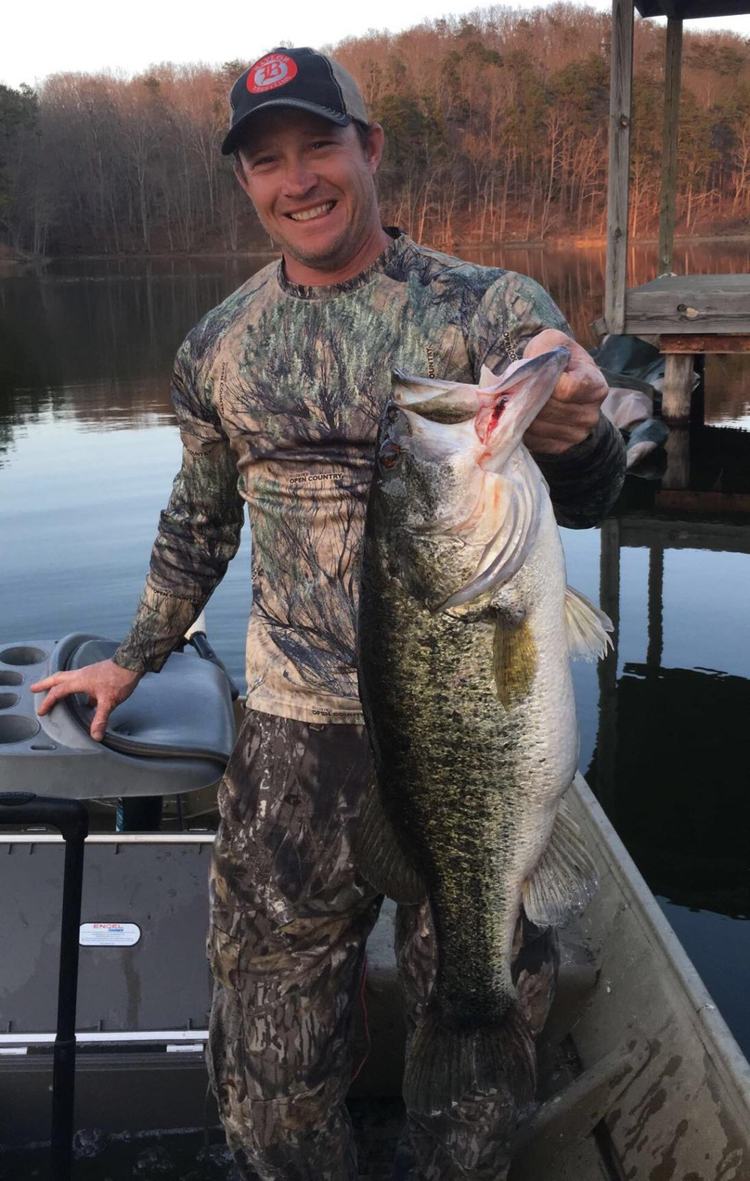
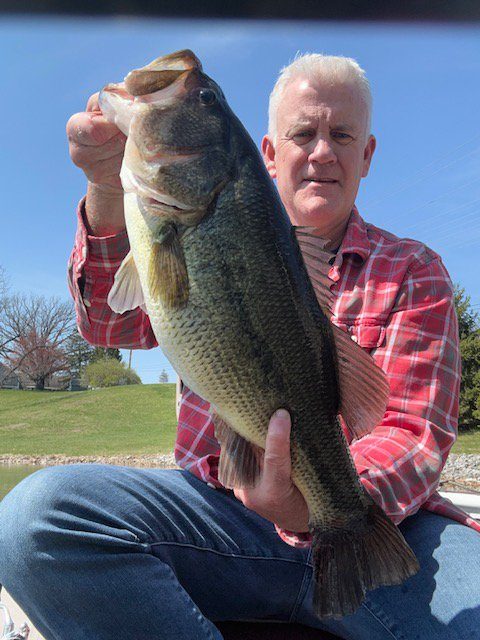
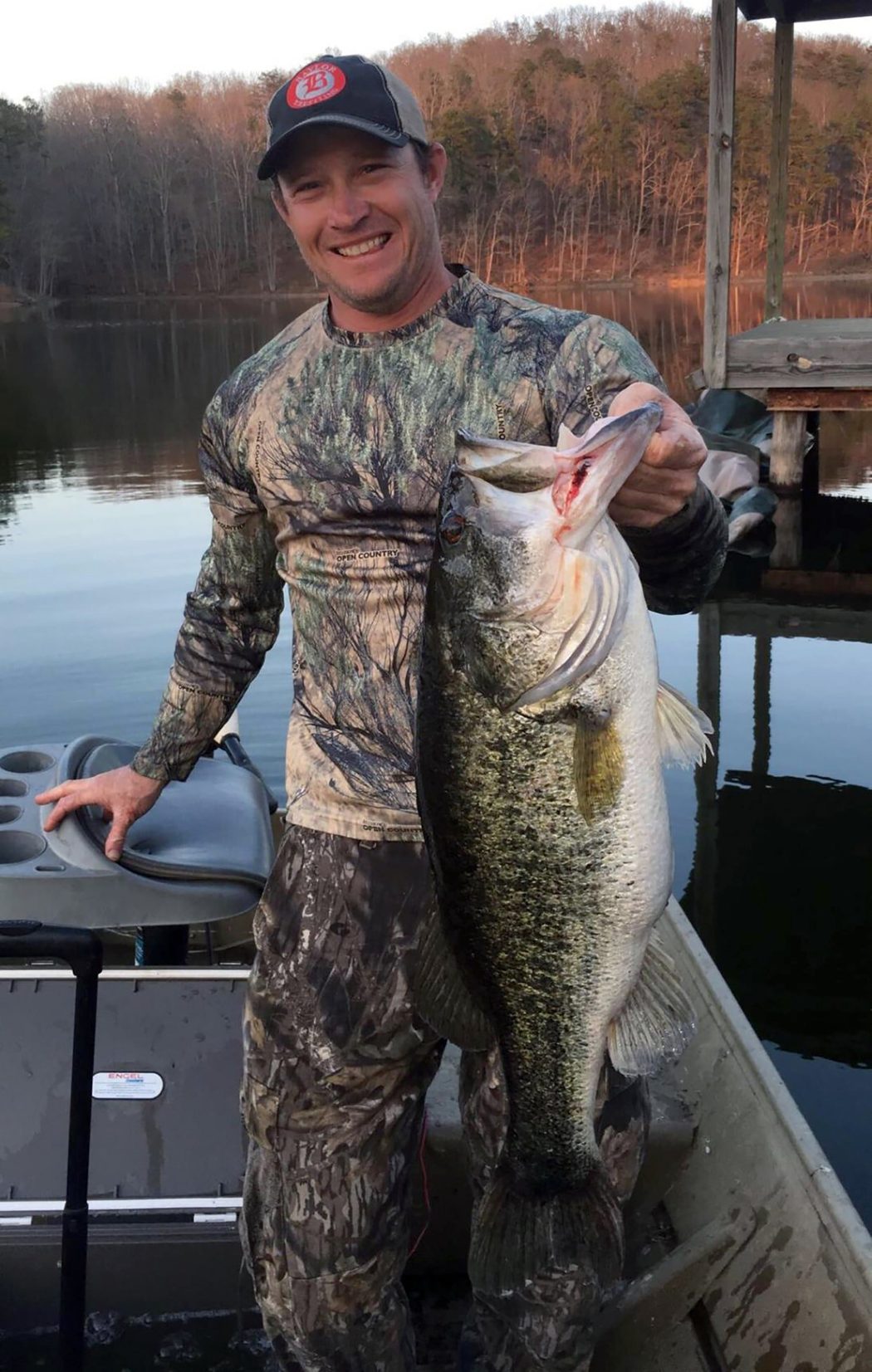
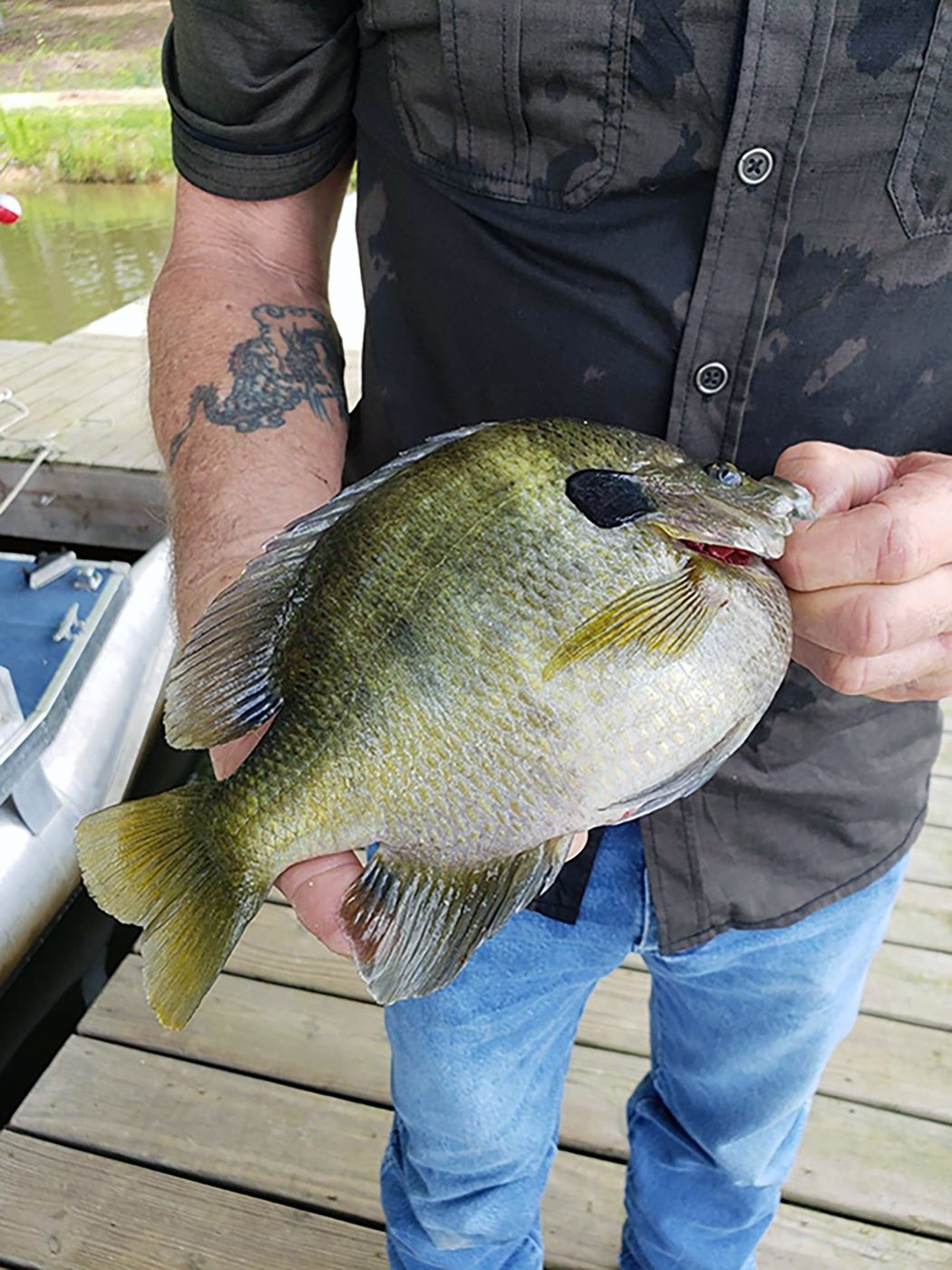
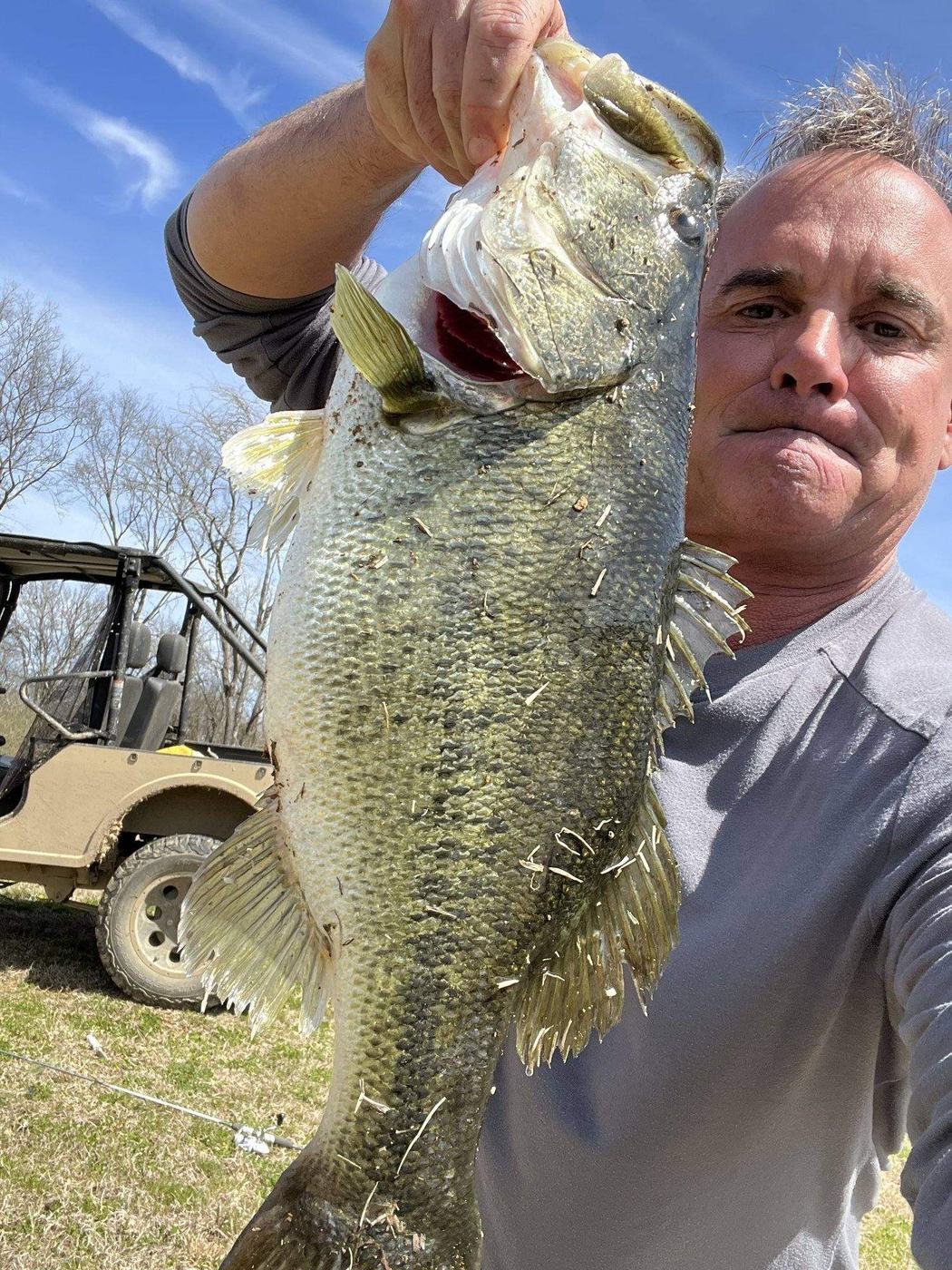
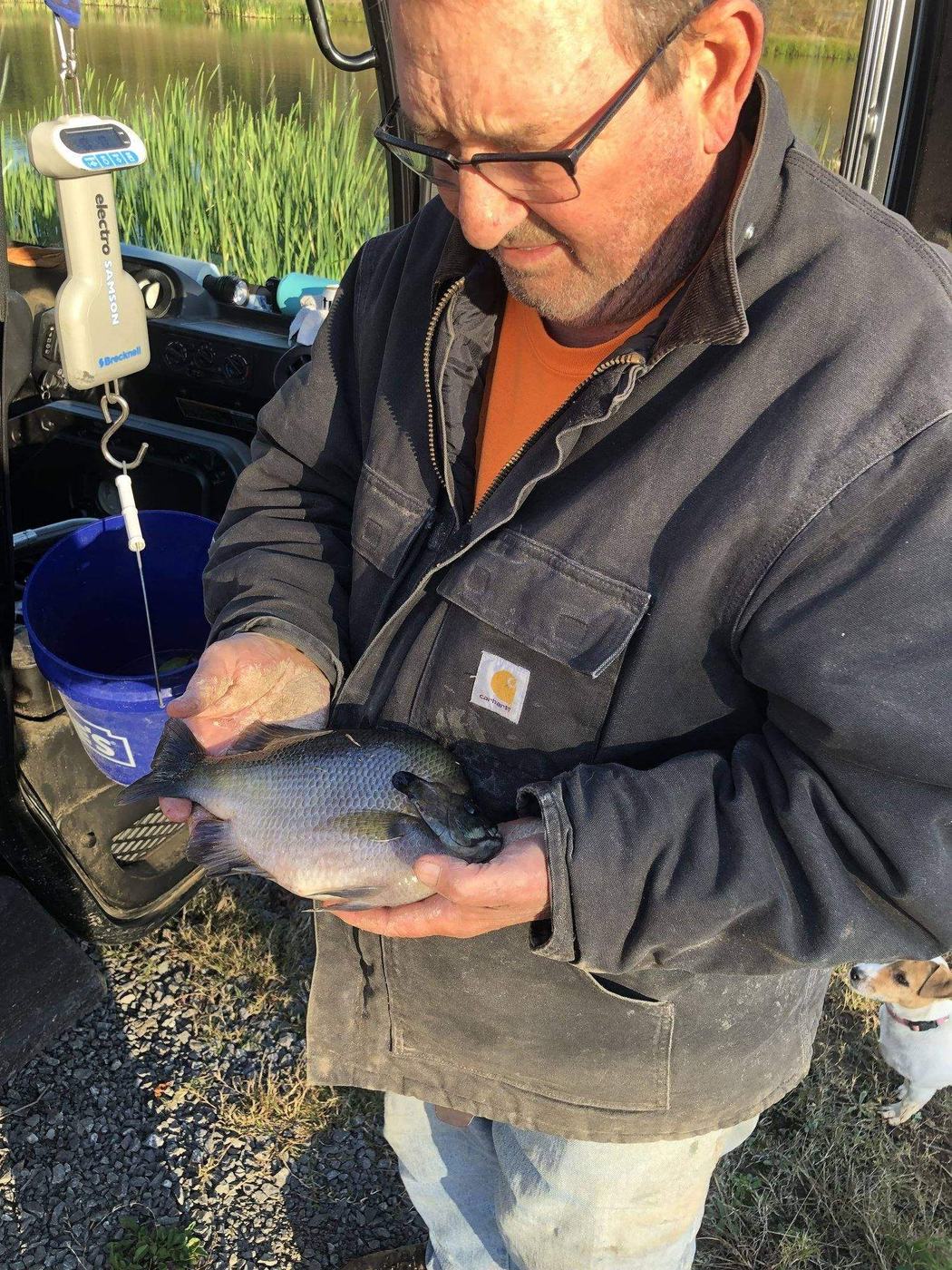
Fish caught by hook and line from lakes and ponds we built, stocked or manage. Every line comes from our case studies, with the year it was caught.
5The fish farm
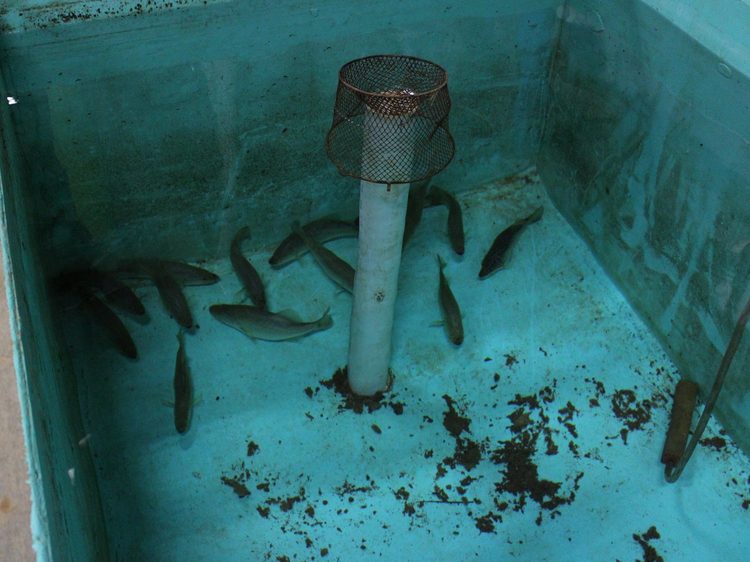
We raise the fish we stock
We raise most of the fish we stock on our 52‑acre farm in middle Tennessee. Every year we travel to Florida to catch wild bass and bluegill by hook and line for our broodstock.
- Hand-painted bluegillApalachicola and Chipola rivers
- Coppernose bluegillTwo Florida strains
- Pure Florida bassWild Florida broodstock
- Smallmouth bassDale Hollow broodstock
- Feed-trained redearOnly US hatchery we know of
- Freshwater grass shrimpCold-hardy forage
6How management works
Survey first, then a plan, then the work
What a landowner thinks is in the pond and what is actually in it are often two different things. We look before we prescribe.
Electrofishing survey
Fish are stunned briefly, weighed, measured and released. We test pH, alkalinity, oxygen and visibility and walk the dam and spillway. Owners often ride along.
The surveyA written plan
A full-color report, typically twenty to thirty pages, with relative weights for your target species and every action in the order it should happen.
Management plansThe work, done in‑house
Stocking, habitat, weed control, liming, aeration, and dredging with conventional excavators rather than suction dredges.
Lake management7Where we work
Every service, across six states
We work in Tennessee, Alabama, Georgia, Mississippi, Kentucky and eastern Arkansas. Results and the permit rules for dams, streams and grass carp differ from state to state. Tennessee, Alabama, Georgia, Mississippi and Kentucky have their own pages below.
Tennessee
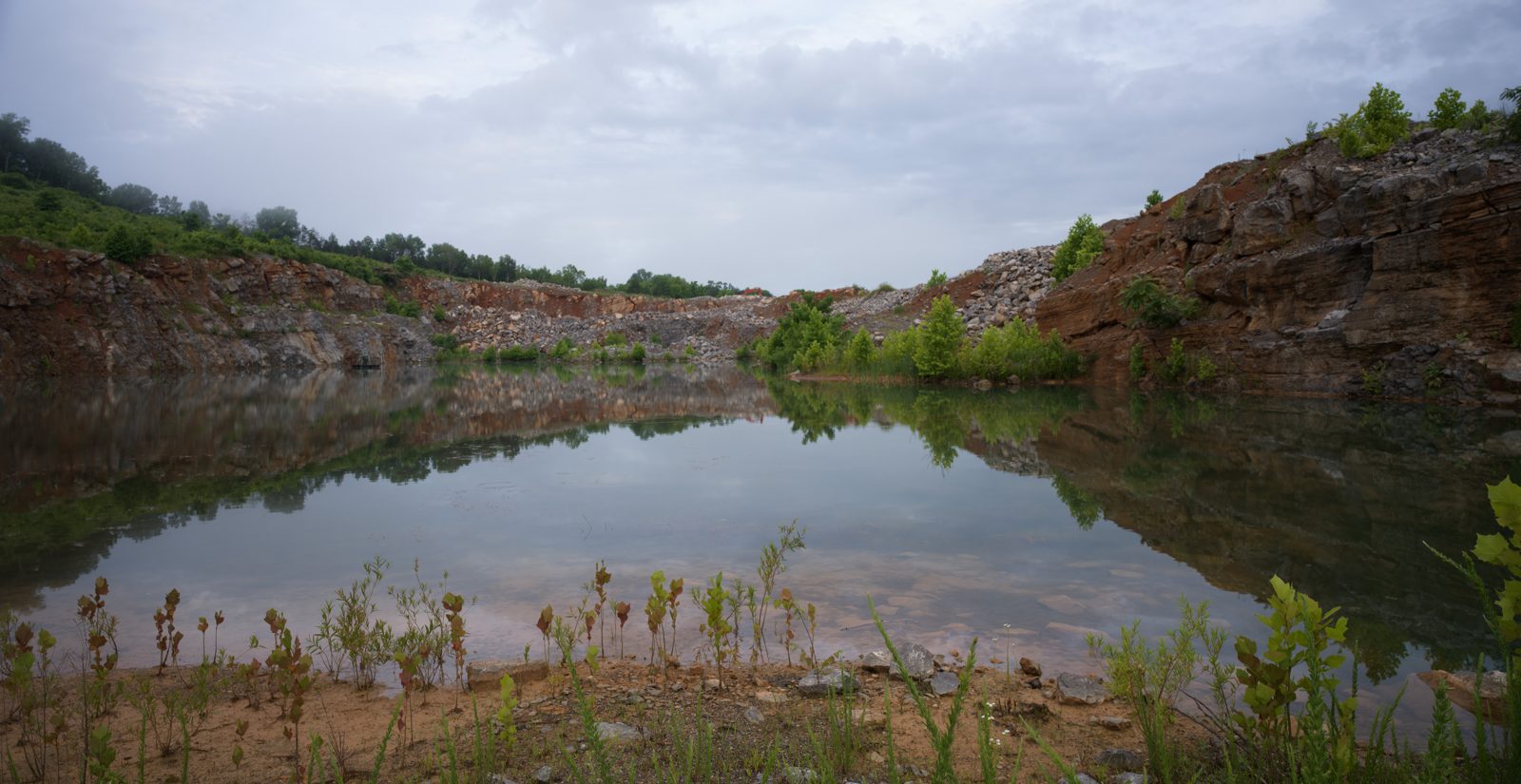
Home water. The farm, the guide trips, and most of our case studies.
Alabama
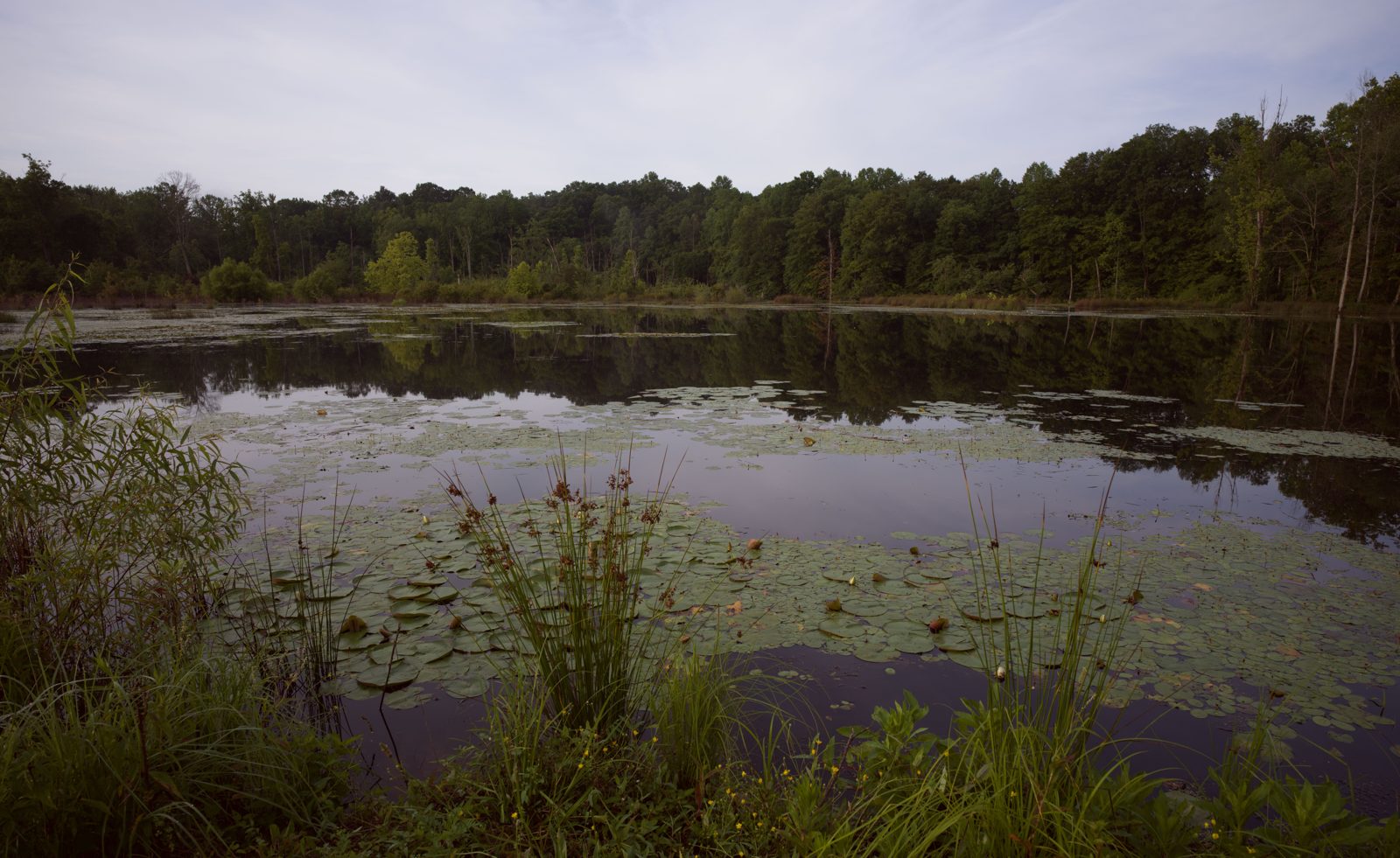
A new two-acre pond in central Alabama grew a 1 lb 10 oz coppernose.
Georgia
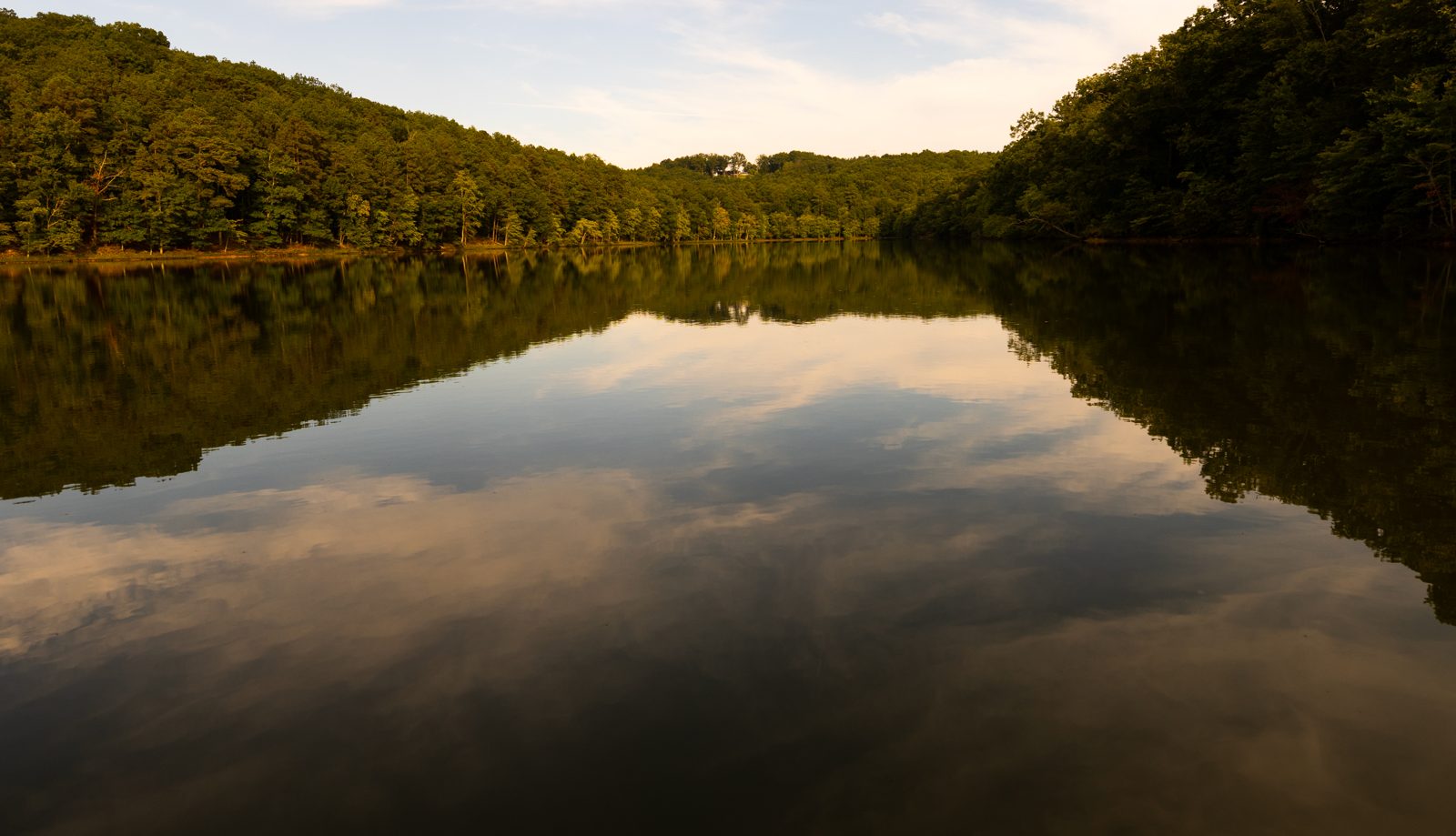
A 22‑acre lake in north Georgia produced a 13‑pound largemouth.
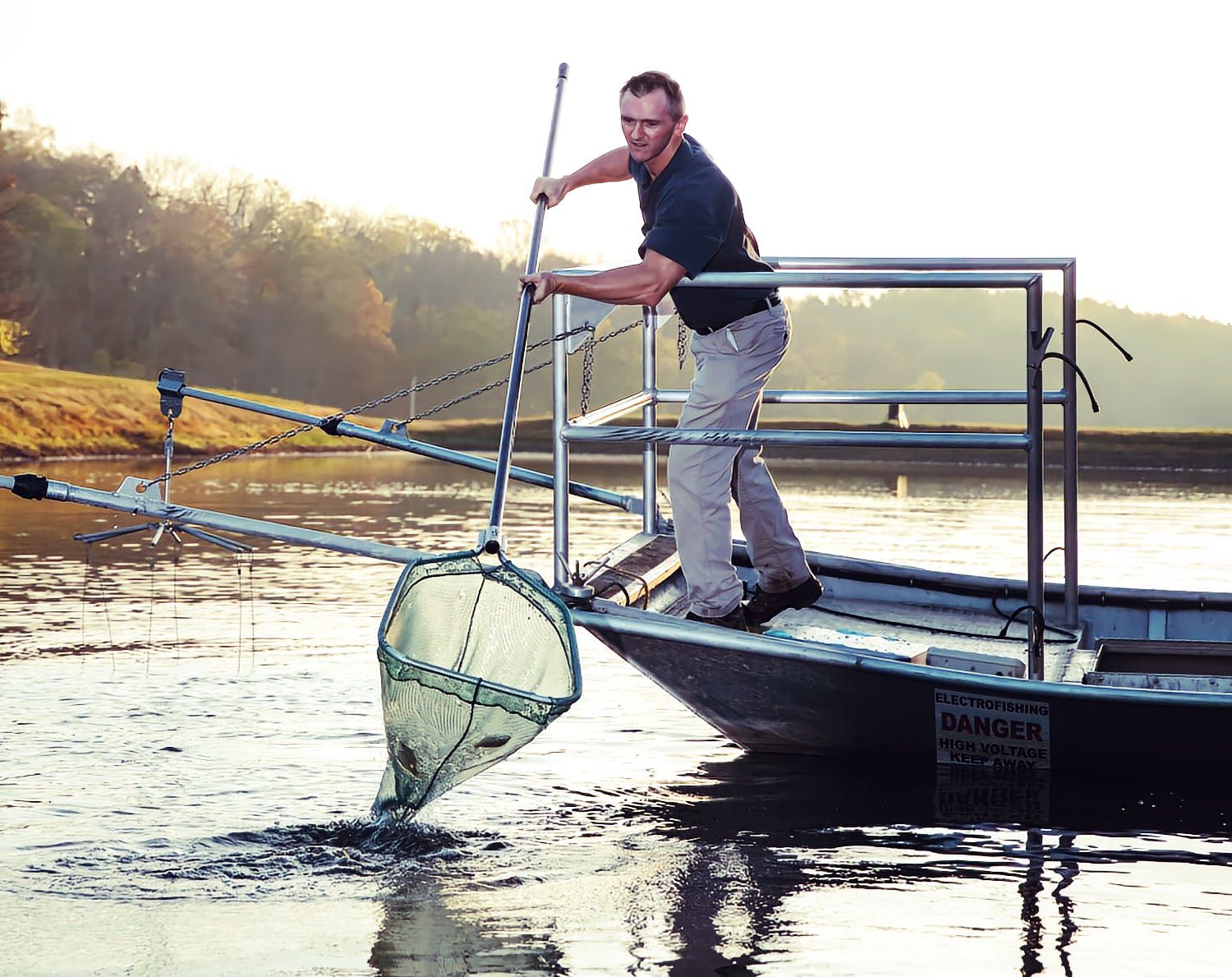
Mississippi
The same warm climate as Alabama and Georgia, where the fish we raise thrive.
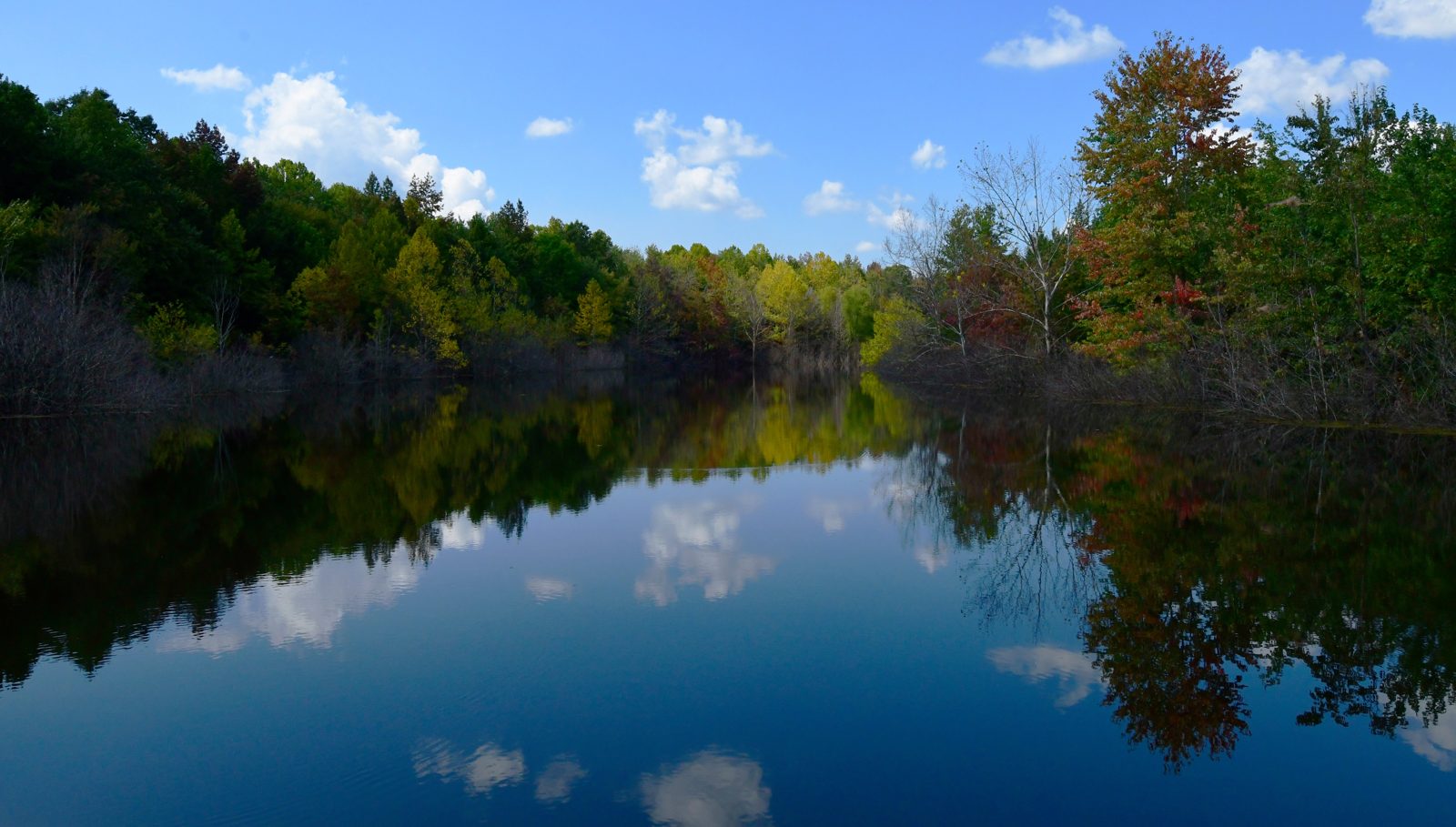
Kentucky
Our smallmouth come from Dale Hollow broodstock, on the Kentucky line.
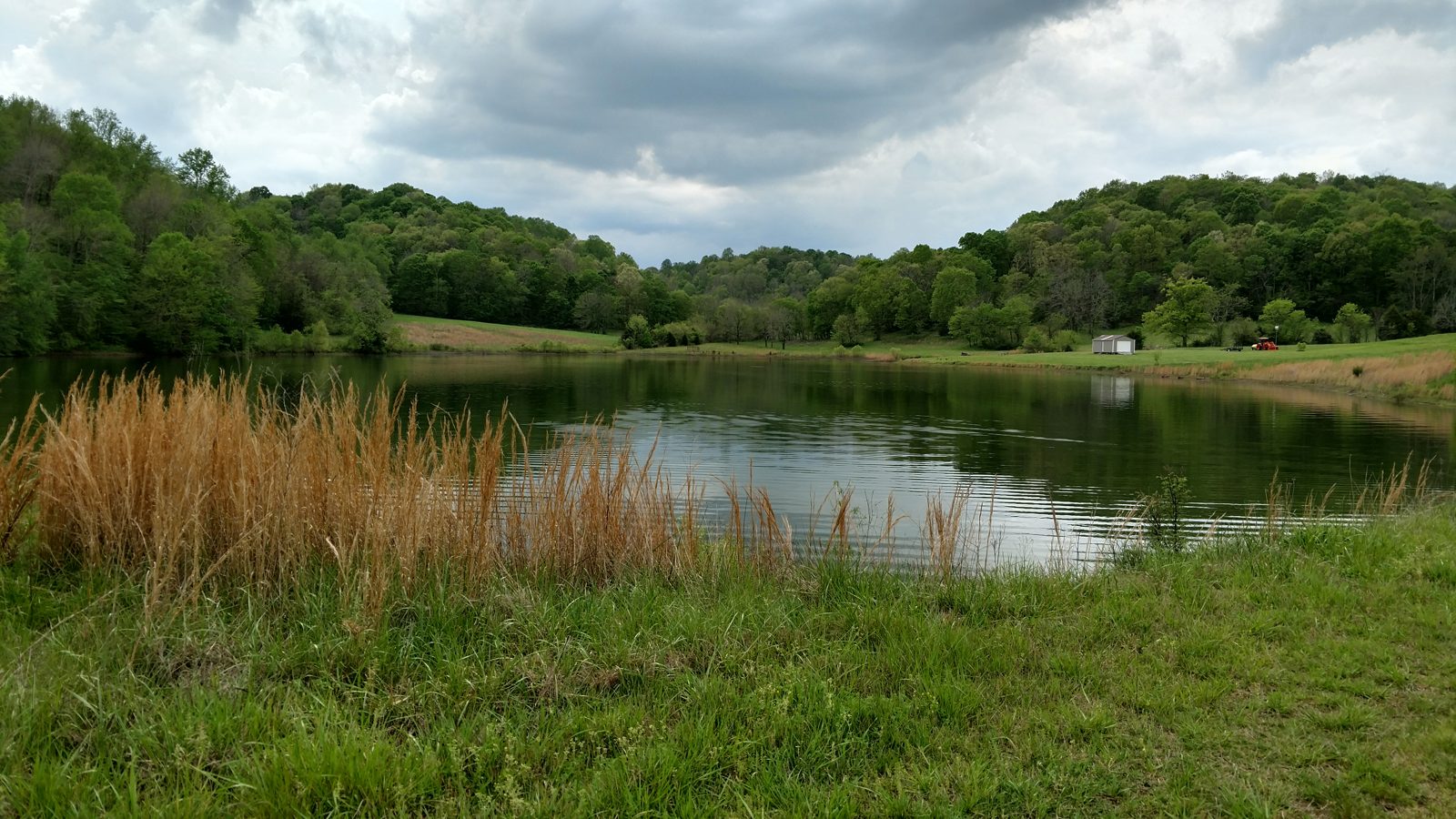
Arkansas
Every service in eastern Arkansas, and lakes over ten acres statewide.
8From owners
What lake and pond owners say
After 4 years of Trophy Pond Management we have caught bluegill up to 2 lb 14 ozs and F1 bass 10 lbs +. Proof is in the pudding!Ron Coker, 1.1‑acre pond, middle Tennessee
I struggled to find a “pond professional” in the Mid-Tennessee region and was overjoyed when I met Walt about 5 years ago. He handled the stocking of fish, aeration, feeding, and general oversight of our 8 acre pond since then.Jeffrey Brauer, mid-Tennessee
Walt has done an amazing job with our pond taking it from a hole in the ground with a few small fish to a real trophy pond.Tom Turner
Trophy Pond Management does not simply throw fish in a lake and hope it works. They take a more scientific approach to it to help get the most out of your lake.David Bell
9Blog
Recent writing on lakes and fish
Straight talk on construction, genetics and management, plus the research library behind our recommendations.
Lake and pond dredging: hydraulic versus excavation
Why muck removal with excavators is the deeper fix when a lake needs real dredging.
Lake construction: avoid consultants who play contractor
Who should design the lake, and who should dig it.
Factors to consider when hiring a lake management company
Ask for trophy photos from dozens of waters, not one or two.
Do you work outside Tennessee?
Yes. Every service we offer, lake management and lake and pond construction included, runs in Tennessee, Alabama, Georgia, Mississippi, Kentucky and eastern Arkansas, from our base in Hohenwald. For lakes over ten acres we also travel to western Arkansas, North and South Carolina, Florida, southern Indiana and southern Illinois. Tennessee, Alabama, Georgia, Mississippi and Kentucky each have their own pages here with the services, results and permit rules that apply there: Tennessee, Alabama, Georgia and Kentucky.
What is the difference between a lake builder and an excavation contractor?
Many excavation contractors can move dirt. A lake builder plans for sealing, compaction, water control, shoreline stability and the fishery the lake will hold for decades. Walt Foreman holds a general contractor's license with a heavy excavation endorsement and a master's in fisheries science, so the dirt work and the fish plan come from the same person. How we build a lake.
How do you know if my soil will hold water?
We start with a site analysis and soil evaluation, looking at clay content, soil makeup and anything that affects water retention. USDA guidance calls for borings across the area that will hold water, and Kentucky's extension guide asks for 20 to 25 percent clay in dams and spillways. If the native soil is not suitable, the sealing plan is settled before excavation begins.
Do lake projects need permits?
Sometimes. A project can need approval when it touches a stream or wetland, or when the dam reaches a size the state regulates. In Tennessee, the Safe Dams Act covers dams at least 20 feet high or holding at least 30 acre-feet, with an exemption for some farm ponds that TDEC decides. We explain the likely approvals for your site before construction. Each state page has the details.
Do you raise the fish you stock?
Most of them. Our 52‑acre farm raises pure Florida bass, hand-painted bluegill, two strains of coppernose bluegill, Dale Hollow smallmouth bass, feed-trained redear and freshwater grass shrimp. See the fish.
Do you work on small backyard or koi ponds?
No. We do not work on garden or koi ponds, or on any pond smaller than a quarter acre. Our work starts at a quarter acre and runs to lakes of a hundred acres and more.
Where does a lake management plan start?
With an electrofishing survey. We sample the fish, test pH, alkalinity, dissolved oxygen and visibility, inspect the dam, watershed and spillway, and write the plan as a full-color report, typically twenty to thirty pages, with every action in the order it should happen. What the survey covers.
11Start your project
Tell us what you want to catch in five years
And what kind of lake you want to own for the next thirty. We will tell you what the site can support.
(931) 374-0536